
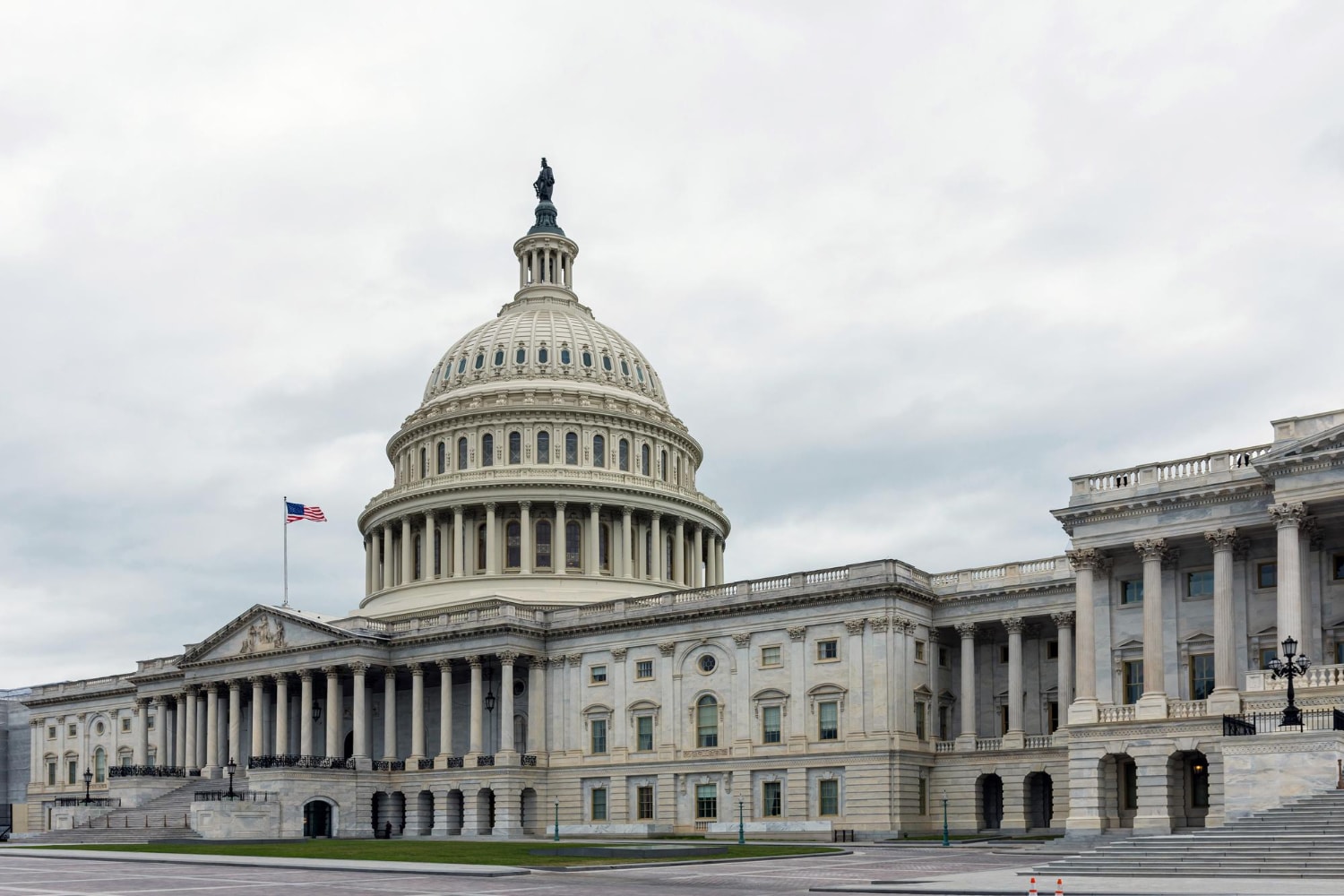
When I first saw the images of heavy machinery tearing into the White House East Wing on Monday, October 20, 2025, I had to pause and take it all in. In my twelve years working with clients across various industries—from designing websites to managing complex SEO campaigns—I’ve witnessed countless construction projects. But this? This is something entirely different. We’re talking about demolishing part of one of America’s most iconic buildings, and the implications go far beyond just bricks and mortar.
Let me walk you through what’s happening, why it matters, and what it means for the future of the presidential residence.
The Historic Context: Understanding the White House’s Living Legacy
The White House has always been more than just a building. Since President John Adams first moved in during 1800, it’s served as the nation’s symbolic heart—a place where history unfolds in real-time. Over the past 225 years, this magnificent structure has witnessed fires, reconstructions, expansions, and countless renovations, each reflecting the evolving needs of the presidency and the nation.
In my experience working with heritage properties and modern construction projects, I’ve learned that truly historic buildings must balance preservation with progress. The White House exemplifies this delicate dance. From the devastating fire of 1814 set by British troops during the War of 1812 to President Truman’s massive interior reconstruction in the late 1940s, the Executive Mansion has continuously adapted while maintaining its iconic exterior.
What strikes me most about the current White House demolition news is how it echoes this historical pattern—though the scale and controversy surrounding it are unprecedented in modern times.
October 2025: Demolition Begins on the East Wing
On that Monday morning in October, construction crews began the physical demolition of portions of the White House East Wing. I imagine the scene was both dramatic and jarring—a backhoe tearing into the façade of a building that represents American democracy itself. Reporters positioned near the Treasury Department captured images showing windows shattered, building parts scattered on the ground, and the historic structure literally being dismantled piece by piece.
President Trump acknowledged the work during a White House celebration for the 2025 NCAA champion Louisiana State University baseball team. Standing in the East Room, he pointed behind him and said, “You know, we’re building right behind us—we’re building a ballroom. They wanted a ballroom for 150 years, and I’m giving that honor to this wonderful place.”
The timing is significant. This demolition work commenced despite the project lacking full approval from the National Capital Planning Commission—a federal agency responsible for vetting construction projects in the Washington area. This regulatory gray area has sparked considerable debate about proper oversight and the pace of such a monumental undertaking.
The Vision: Trump’s $250 Million Ballroom Project
At the heart of this White House demolition lies an ambitious vision: creating what would be the largest structural addition to the Executive Mansion in over seven decades. The proposed ballroom is nothing short of spectacular—a 90,000-square-foot glass-walled space designed to host up to 999 guests for state dinners, diplomatic receptions, and major celebrations.
To put that scale in perspective, the current East Room—the White House’s largest event space—can accommodate approximately 200 people. The new ballroom would nearly quintuple that capacity. From my perspective as someone who’s worked on numerous large-scale projects, I understand the appeal. Current arrangements often require erecting temporary pavilions on the South Lawn for major events, which, as Trump noted, become problematic in inclement weather.
The Design and Features
Based on renderings released by the White House, the ballroom design is breathtaking yet controversial. Picture this:
- Architectural Style: Neoclassical design matching the existing White House aesthetic
- Interior Elements: Gold and crystal chandeliers, gilded Corinthian columns, coffered ceilings with gold inlays, checkered marble floors
- Windows: Three walls of arched windows overlooking the South Grounds
- Capacity: Seated capacity of 650 people, expandable to 999 for standing receptions
- Materials: Bulletproof glass walls for security
- Access: Connected to the East Room for seamless guest flow between cocktails and dinner
What fascinates me about this design is how it reflects Trump’s signature style—opulent, grand, and unmistakably luxurious. The renderings remind me of the gilded ballrooms at his private properties, particularly Mar-a-Lago. Whether you view this as enhancing or compromising the White House’s historic character depends largely on your perspective.
The Funding Model
One of the most discussed aspects of this White House renovation project is its financing. Trump has repeatedly emphasized that the construction will cost taxpayers nothing, claiming the entire $250 million price tag will be covered through private donations from wealthy individuals and major corporations.
At a donor dinner held in mid-October 2025, representatives from tech giants and major corporations—including Apple, Microsoft, Amazon, Google, Meta Platforms, Coinbase, Lockheed Martin, T-Mobile, and Comcast—were present. Multiple companies reportedly pledged $5 million or more toward the project. Carrier Global Corp even offered to donate the entire HVAC system for the new space.
From a business standpoint, this raises interesting questions about corporate influence and access. When companies contribute millions toward such a high-profile project, what expectations come with those donations? The White House has promised to disclose donor information but hasn’t released a complete list yet.

The Controversy: Regulatory Concerns and Public Response
Here’s where things get complicated. The White House East Wing demolition began before the National Capital Planning Commission (NCPC) granted formal approval for the construction phase. This might sound like bureaucratic nitpicking, but it’s actually quite significant.
Understanding the Regulatory Landscape
The NCPC typically reviews and approves major construction and renovation projects on federal property in Washington. The process often takes months or even years, involving multiple stages:
- Early conceptual consultations
- Preliminary design reviews
- Final design approvals
- Construction oversight
Will Scharf, the commission chairman (who also serves as White House staff secretary—yes, that’s a potential conflict of interest), clarified during a September meeting that the NCPC doesn’t have jurisdiction over demolition or site preparation work. He stated, “What we deal with is essentially construction, vertical build.”
However, L. Preston Bryant Jr., who chaired the commission during the Obama administration, suggested that best practices call for involving the NCPC much earlier in the design process. He emphasized, “The White House and its design team would be very, very wise to involve NCPC and its staff very much on the front end of the project—in the early design stages.”
Political and Public Reactions
The response to this White House demolition has been predictably divided along political lines. Critics point to several concerns:
- Lack of transparency about the full scope of demolition
- Contradictory statements (Trump previously said the project “won’t interfere with the current building”)
- Corporate influence through massive private donations
- Historical preservation questions about altering such an iconic structure
- Rushed timeline aimed at completion before January 2029
Treasury Department employees were reportedly advised not to share photographs of the demolition due to its sensitivity. This has fueled speculation about the administration’s discomfort with public scrutiny of the project.
Supporters, meanwhile, argue that the White House has always evolved with each administration and that modernization is necessary. White House communications director Steven Cheung shared historical photographs of Truman-era construction, writing, “Construction has always been a part of the evolution of the White House. Losers who are quick to criticize need to stop their pearl clutching and understand the building needs to be modernized.”
Historical Perspective: Past White House Renovations
To truly understand the significance of the current demolition, we need to look at the White House’s renovation history. This building has never been static—it’s continuously evolved to meet the changing needs of the presidency.
The Truman Reconstruction (1948-1952)
The most comparable precedent is President Harry Truman’s massive reconstruction project. By 1948, the White House was literally on the verge of collapse. Engineers discovered dangerous structural weaknesses throughout the building. Truman famously reported hearing “ghosts” as the structure creaked and groaned, and Margaret Truman’s piano leg once crashed through the floor.
The Truman renovation was comprehensive and dramatic:
- The entire interior was gutted while preserving the exterior walls
- A new steel and concrete structural frame was installed
- Two new sub-basements were added
- The foundation was deepened by 22 feet
- Modern systems like air conditioning were installed
- The number of rooms nearly doubled to 132
- The project cost $5.4 million (equivalent to over $60 million today)
The Trumans moved to Blair House across the street for over three years while construction crews essentially rebuilt the White House from the inside out. When you look at photographs from that era, the interior looks like a massive construction site—earth movers dwarfed by cavernous empty spaces where ornate rooms once stood.
Other Notable Renovations
The White House has seen numerous other significant changes:
- 1814 Reconstruction: After British troops burned the building during the War of 1812
- 1902 Roosevelt Renovation: Theodore Roosevelt modernized the mansion and created the West Wing
- 1942 East Wing Addition: Franklin D. Roosevelt expanded the East Wing, adding a second floor
- 1948 Truman Balcony: Added to the South Portico
- 1927 Coolidge Renovation: Added a third floor and new roof after structural concerns
Each renovation reflected its era’s needs and the president’s vision. What makes the current White House East Wing demolition unique is both its scale—potentially the largest structural change since the Truman Balcony—and its highly personalized, luxury-focused design.
Impact on White House Operations
The demolition and construction have real-world implications for how the White House functions day-to-day. The East Wing traditionally serves as the operational base for the First Lady and her staff. With demolition underway, these offices have been temporarily relocated, disrupting normal workflows.
This relocation comes at a particularly challenging time. The federal government has been experiencing shutdown tensions, with thousands of employees furloughed. The National Capital Planning Commission’s offices were even closed due to the shutdown when demolition began, making it impossible to seek immediate clarification on regulatory matters.
From an operational standpoint, major construction inevitably brings:
- Noise and disruption affecting meetings and official business
- Security challenges with construction crews accessing sensitive areas
- Logistical complications for events and state visits
- Media attention that can overshadow policy discussions
- Staff displacement affecting productivity and morale
President Trump acknowledged these disruptions during the LSU baseball team celebration, noting that attendees might “hear periodically” the sounds of construction. It’s an unusual admission that underscores how this project will dominate the White House environment for years.

Architecture and Design: Balancing Heritage and Modernity
As someone who’s worked on countless design projects—from sleek modern websites to branding for traditional businesses—I’m particularly interested in the architectural challenge this ballroom presents. How do you add a massive, contemporary structure to an iconic 18th-century building without compromising its historic integrity?
The White House has promised that the ballroom’s “theme and architectural heritage will be almost identical” to the main building’s neoclassical style. The renderings show classical elements like Corinthian columns and traditional moldings. Yet the scale and opulence clearly reflect 21st-century luxury hospitality design more than historical federal architecture.
The Glass Wall Debate
The proposed glass walls are particularly interesting. On one hand, they would flood the space with natural light and provide stunning views of the South Grounds. On the other, they represent a stark departure from the White House’s traditional stone and brick construction. Yes, the glass will be bulletproof for security, but that doesn’t address the aesthetic questions.
In my design work, I’ve learned that the best renovations respect a building’s original character while thoughtfully incorporating contemporary elements. The question is whether this ballroom achieves that balance or overwhelms it.
The Broader Context: What This Says About Presidential Power
Beyond the architectural and logistical details, this White House demolition raises fundamental questions about presidential authority and the use of America’s most symbolic building.
The Precedent Being Set
Previous presidents have certainly made their mark on the White House. The Kennedys famously redecorated with museum-quality antiques. The Reagans did extensive refurbishments. The Obamas installed a basketball court. But those were relatively minor modifications compared to demolishing and reconstructing entire sections.
If this ballroom project succeeds, it establishes a precedent that presidents can substantially alter the White House’s physical structure with private funding and limited oversight. That’s a significant shift in how we think about this national treasure.
Private Funding and Corporate Influence
The reliance on corporate donations is another precedent with long-term implications. When major technology companies and defense contractors fund presidential projects, even if they claim it’s purely philanthropic, it inevitably raises questions about access and influence.
In my business consulting work, I’ve seen how financial relationships create expectations and obligations, even when everyone acts in good faith. The concern isn’t necessarily corruption—it’s the appearance of preferential treatment that can undermine public trust.
Looking Forward: The Future of the White House
Construction is expected to continue through the remainder of Trump’s term, with completion targeted before January 2029. That’s an ambitious timeline for a project of this magnitude. Major construction projects often face delays, cost overruns, and unforeseen complications—especially when working on historic structures.
Questions That Remain
Several important questions are still unanswered:
- Will future presidents use this ballroom, or will it be seen as a Trump-specific addition?
- How will the final design balance opulence with dignity?
- What happens if construction isn’t completed by January 2029?
- Will the full donor list be publicly disclosed?
- How will historians and preservation experts ultimately judge this alteration?
Lessons from History
History suggests that controversial presidential renovations often become accepted over time. The Truman Balcony was initially criticized as ruining the White House’s classical symmetry. Today, it’s considered an iconic and beloved feature. The West Wing was once derided as a temporary eyesore. Now it’s synonymous with presidential power.
Whether Trump’s ballroom will follow this trajectory or remain controversial depends on the quality of execution, how it functions for future administrations, and whether it truly serves the needs of the presidency beyond this moment.
The Bottom Line: Preserving National Heritage While Embracing Change
As I reflect on this White House East Wing demolition and the massive ballroom project it represents, I’m reminded that preservation isn’t about freezing buildings in time. It’s about thoughtfully evolving them to meet contemporary needs while honoring their historical significance.
The White House has always been a living building, adapting to each era’s requirements. The question isn’t whether it should change—it’s how those changes should be made. Should they involve extensive regulatory oversight or presidential discretion? Should they be funded publicly or privately? Should they prioritize functionality or grandeur?
My Perspective as a Business Owner and Observer
In my years running a company that helps businesses transform their digital and visual presence, I’ve learned that successful projects require three things: clear vision, stakeholder buy-in, and transparent execution. The White House ballroom project has the first element in abundance. Whether it achieves the second and third remains to be seen.
What concerns me isn’t the idea of modernization itself—it’s the apparent lack of broad consensus and the rushed timeline. The greatest renovations in White House history involved careful planning, expert consultation, and transparent processes. The Truman reconstruction, despite its massive scope, worked because it followed established protocols and prioritized structural integrity over speed.

Frequently Asked Questions
Why is the White House East Wing being demolished?
The East Wing is being partially demolished to make way for a new 90,000-square-foot ballroom designed to host up to 999 guests for state dinners and major diplomatic events. The current largest space, the East Room, only accommodates about 200 people.
Who is paying for the White House ballroom construction?
President Trump has stated the entire $250 million project will be privately funded through donations from himself, wealthy individuals, and major corporations. Companies like Apple, Microsoft, Google, Amazon, and others have reportedly contributed, though a complete donor list hasn’t been released.
Did the demolition receive proper regulatory approval?
The demolition began without full approval from the National Capital Planning Commission (NCPC), which typically oversees federal construction in Washington. The NCPC chairman, who also serves as White House staff secretary, stated that the commission doesn’t have jurisdiction over demolition or site preparation—only vertical construction. This interpretation has been questioned by former commission officials.
When was the last major White House renovation?
The most significant renovation was President Truman’s 1948-1952 reconstruction, which gutted and rebuilt the entire interior while preserving the exterior walls. Before this current ballroom project, the last major structural addition was the Truman Balcony in 1948.
Will the ballroom be completed before Trump leaves office?
Construction aims for completion before January 2029, when Trump’s current term ends. However, major construction projects of this scale frequently experience delays, making the timeline uncertain.
What happens to the First Lady’s offices during construction?
The East Wing traditionally houses the First Lady’s office and staff. These operations have been temporarily relocated to other areas to accommodate the demolition and construction work.
Can future presidents modify or remove the ballroom?
Technically yes, though the substantial investment and scale make major changes unlikely. Future administrations will inherit the space and presumably use it for official functions, regardless of their political affiliation.
How does this compare to other presidential building projects?
This is unprecedented in modern times for its scale and private funding model. While presidents have always made renovations and additions, none have demolished and rebuilt entire sections with primarily corporate funding since the White House became a fully established symbol of the presidency.
Conclusion: An Unprecedented Chapter in White House History
The White House demolition currently underway represents a pivotal moment in the building’s long history. Whether you view it as necessary modernization or excessive alteration, there’s no denying its historic significance. This is the largest structural modification to the Executive Mansion in over seven decades, fundamentally changing how the building can function.
From my perspective as someone who’s spent a career helping organizations navigate change—whether it’s redesigning their websites, rebuilding their brand identity, or transforming their operational structures—I believe successful transformations require transparency, stakeholder engagement, and respect for what came before.
The White House ballroom project embodies the tension between preservation and progress that defines so many historic properties. It challenges us to consider what we value most: maintaining traditions exactly as they were, or adapting them to meet contemporary needs? Ensuring democratic oversight, or allowing executive discretion? Prioritizing historical purity, or embracing bold vision?
These questions don’t have easy answers. What’s certain is that this project will shape how future generations experience the presidency and how we think about America’s most iconic residence. The demolition we’re witnessing isn’t just about removing old walls and building new ones—it’s about redefining what the White House represents and how it serves the nation.
As construction continues over the coming years, I’ll be watching closely, not just as a business owner and observer, but as someone who believes in the importance of doing significant work thoughtfully and transparently. The White House belongs to all Americans. How we transform it should reflect our collective values, not just one person’s vision—no matter how grand that vision might be.
The backhoes have begun their work. The East Wing’s façade has fallen. Now comes the much harder task: building something worthy of the historic ground on which it stands.