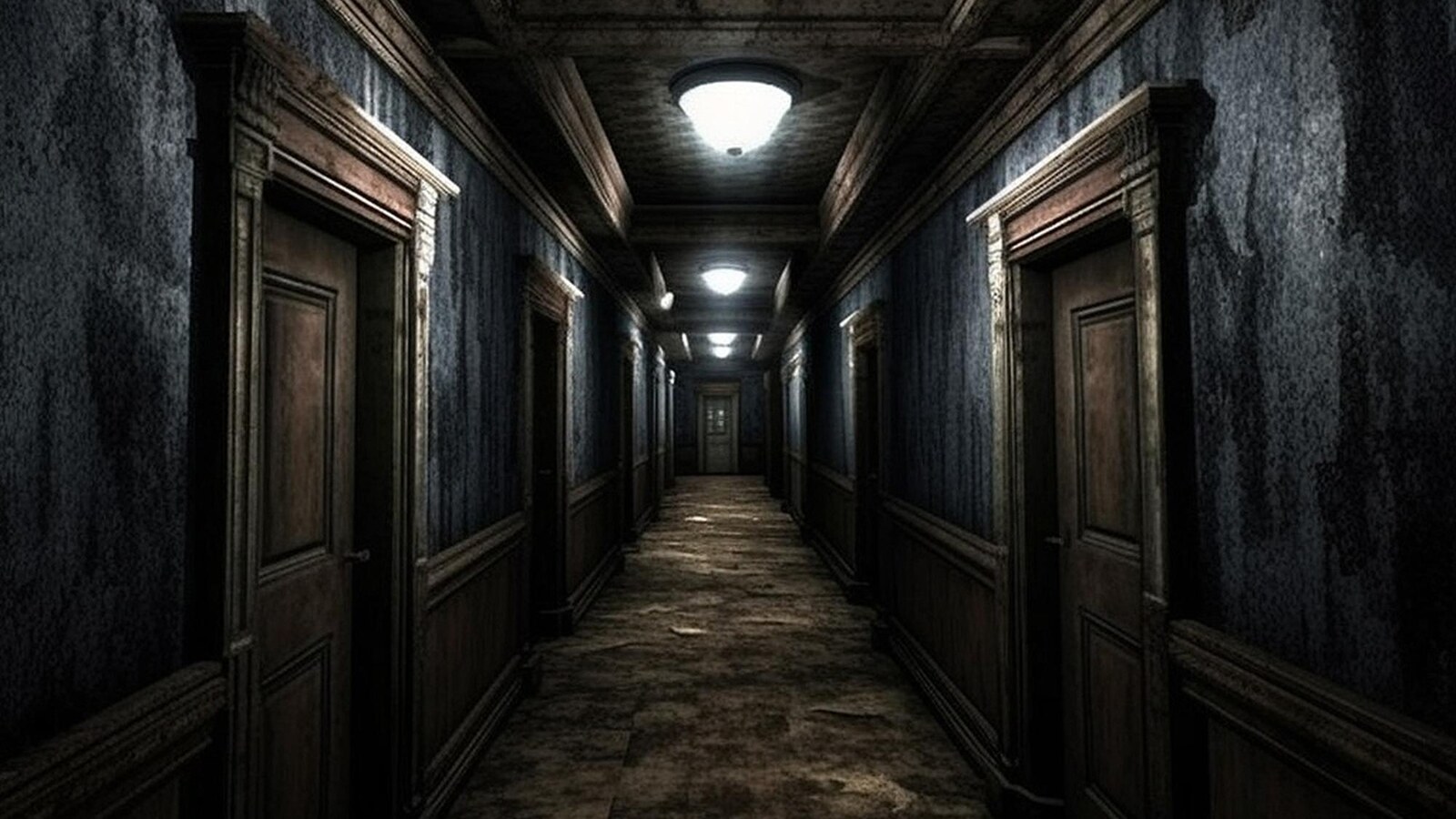

Urban legends don’t win because they roar.
They win because somebody adds a cracked phone screen, a gas station receipt from 11:42 p.m., or a half-empty cup of bad coffee sitting beside a motel sink; the dull stuff does the dirty work because it sounds too plain to be made up.
That’s the trick.
The scary bit is usually small
A giant shadow in the woods is fun, sure, but I trust the story more when the person remembers the cheap blue pen on the check-in desk. Weird, right?
But, that is how people talk when they’re telling something they half-believe themselves.
The mind grabs the rough edges. A missing button. Wet socks. The awful hum of a vending machine that keeps buzzing after the power cuts out. Big claims feel like stage smoke; small bits feel like a hand on your sleeve.
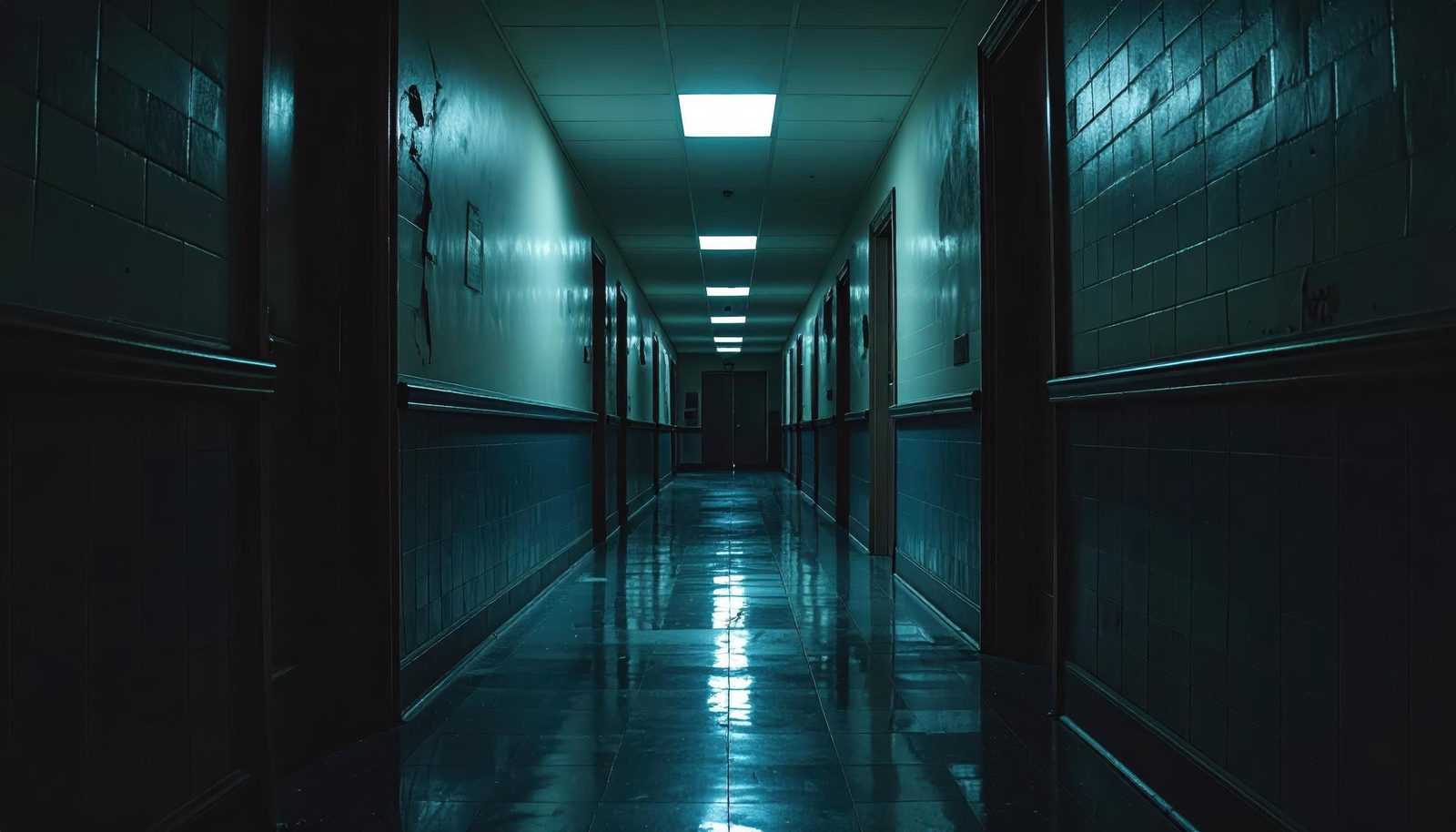
Names make the floor creak
“A road outside town” is weak.
“The road behind the shuttered grain shop near Lakhanpur, the one with two broken reflectors” has teeth, even if you’ve never been there and couldn’t point to it on a map.
So the best strange stories don’t rush. They let a place get dusty around you. They give you a corner booth, a bus route, a neighbor who always wears rubber sandals even in December.
And then, only then, they twist the light.
For another odd little read, keep Flat Hair Makes a Good Outfit Look Tired. That’s Annoying. open in a spare tab.
Why we pass them on anyway
I once heard a college hostel story where the ghost part was forgettable, honestly. The part everyone remembered was that the lift always stopped on the third floor, even when nobody pressed it.
That’s enough. Annoying enough. Close enough to daily life.
But, the strongest urban legend details don’t ask you to believe in monsters. They ask you to remember the one time your own hallway sounded wrong after midnight, and that is a much meaner move.
Next time somebody starts with “this happened to my cousin’s friend,” listen for the tiny mess around the edges. The loose screw. The flat soda. The rain on one sleeve only.
That’s where the story hides.