
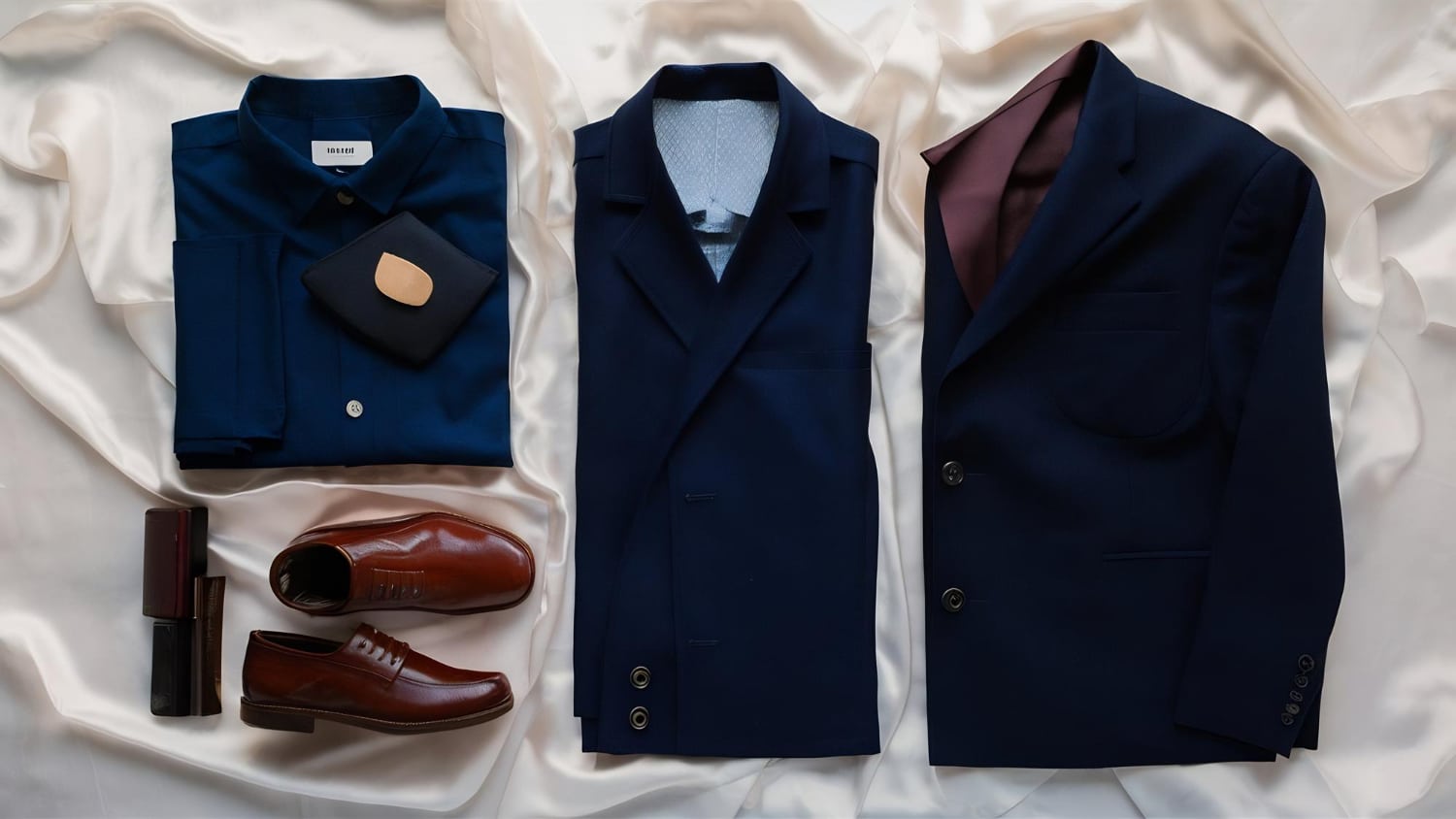
Let me share something I’ve learned after spending years observing workplace fashion evolution: dressing professionally isn’t about losing your personality—it’s about packaging it in a way that commands respect. Whether you’re stepping into your first boardroom meeting or you’re a seasoned executive looking to refresh your wardrobe, understanding official clothes for men is more relevant today than ever before.
The landscape of professional menswear has transformed dramatically. Walk into any modern office, and you’ll see everything from full three-piece suits to sophisticated business casual ensembles. Yet despite this evolution, one truth remains constant: how you dress directly impacts how you’re perceived, the opportunities that come your way, and even how you feel about yourself.
Understanding Official Clothes for Men: More Than Just a Suit
When we talk about official clothes for men, we’re discussing a spectrum of professional attire that spans from ultra-formal business settings to more relaxed corporate environments. Business formal represents the most polished level of professional dress, typically meaning a dark, tailored suit, dress shirt, tie, and dress shoes.
Think of your professional wardrobe as a toolkit. Just as a carpenter wouldn’t use a hammer for every job, you shouldn’t wear the same level of formality for every professional situation. The key is understanding which tool—or in this case, which outfit—fits the occasion.
The Four Levels of Professional Dress
Business Formal
This is the heavyweight champion of official clothes for men. Business formal refers to traditional, conservative professional attire, meaning a full suit and tie in dark, solid colors such as navy, black, or charcoal, with the entire outfit featuring neutral colors including a white or light blue shirt, a solid tie, and dress shoes with dark dress socks. You’ll typically encounter this dress code in law firms, high-level corporate meetings, banking institutions, and formal business events.
Business Professional
A close cousin to business formal, business professional gives you slightly more breathing room. Business professional attire for men calls for a suit and tie, with several areas of nuance and even a bit of wiggle room to get creative. The tie becomes optional in some environments, and you might see lighter suit colors making an appearance.
Business Casual
Here’s where things get interesting—and where many men stumble. Business casual office wear isn’t as formal as the classic business suit, but it still renders a business-like impression. Business casual men don’t just lose the tie but move away from the traditional two-piece suit, with even stiff professions like banking and law ditching the canvassing and padding in favor of something much softer.
Smart Casual
The most relaxed end of professional dressing, smart casual blends comfort with polish. Think quality chinos, button-down shirts, blazers, and elevated footwear.

Building Your Essential Professional Wardrobe
Let’s get practical. You can’t just walk into a store and buy “professional attire” off a magic rack. Building a wardrobe of official clothes for men requires strategy, investment, and understanding what pieces work hardest for you.
The Foundation: Suits That Work
A versatile, comfortable suit that’s made well and fits well is the cornerstone of professional work attire for men, serving as the neutral canvas upon which the rest of your look is painted.
Start with these essentials:
Navy Blue Suit: This is your workhorse. It works for interviews, client meetings, presentations, and even weddings. Navy is universally flattering, projects authority without aggression, and pairs well with virtually any shirt and tie combination.
Charcoal Gray Suit: Your second essential. Slightly more formal than navy, charcoal gray exudes sophistication and works beautifully across seasons.
Light Gray or Tan Suit: For warmer months and less formal business settings, a lighter suit adds versatility to your rotation.
Here’s something most fashion guides won’t tell you: the fit matters more than the price tag. A $400 suit that’s properly tailored will always outshine a $2,000 suit that doesn’t fit correctly. Invest in alterations—have the sleeves shortened to show a quarter to half-inch of shirt cuff, ensure the trousers break slightly at your shoes, and make sure the jacket’s shoulders sit naturally without puckering.
Current Trends in Men’s Professional Suits
The suit hasn’t disappeared—it’s evolved. For autumn and winter 2025, eighties-inspired two-pieces are coming into their own, with capacious double-breasted suits designed to both cocoon the body and project power. Tailored suits remain in style, being snug in all the places you want them to be while giving you room where you need it and where it’s flattering to do so.
We’re also seeing interesting developments in fabric and color. The men’s fashion landscape in 2025 centers on neutral tones, with browns, caramels, tobacco shades, and beige colors forming the base of current wardrobes, working particularly well in both casual and formal settings.
Dress Shirts: Your Daily Statement Piece
You’ll need several white button-downs in your rotation, followed by light blue. These are non-negotiable. They work with everything, never go out of style, and send a clear message of professionalism.
Beyond the basics, consider:
- Light pink shirts for a contemporary touch that still reads as professional
- Subtle checked or striped patterns for visual interest
- Quality Oxford cloth for durability and texture
- Non-iron fabrics for travel and busy mornings
A word about collars: the spread collar is your most versatile option, working with or without a tie. Avoid button-down collars in the most formal settings—they lean more casual.
The Trousers Question
While suit pants are no longer mandatory in many business casual settings, dress pants and khaki pants are the most popular choices for basic business casual office wear, with khakis going well with both formal and casual business shirts.
Quality trousers in navy, gray, and khaki should form the backbone of your professional wardrobe. After over a decade of tight, heavily tapered pants, pant legs are getting wider and fuller while exhibiting more break at the bottom. This doesn’t mean baggy—it means comfortable and properly proportioned.

Footwear: Where Style Meets Substance
Your shoes speak volumes before you’ve said a word. Along with any accessories you choose, your dress shoes play a huge role in defining your look, with Oxfords or cap-toe shoes being the most traditional, widely-accepted styles for business professional attire.
Essential professional footwear includes:
Black Oxford Shoes: The gold standard for business formal settings. They work with navy, gray, and black suits seamlessly.
Brown Dress Shoes: More versatile than most men realize. Medium brown works with navy and gray suits, while darker browns pair beautifully with charcoal.
Loafers: For business casual office wear, loafers, Oxfords, or monk straps are safe choices that balance quality and style. Quality loafers in leather or suede bridge the gap between formal and casual beautifully.
Here’s an interesting trend for 2025: Spring 2025 brings significant changes to men’s footwear colors, with the trend moving away from traditional dark brown and black shoes toward lighter shades that match the overall movement toward brighter, neutral tones.
The Power of Accessories in Official Attire
Accessories in professional menswear aren’t just decorative—they’re the punctuation marks that complete your statement.
Ties: The Exclamation Point
While ties have become optional in many workplaces, knowing how to wear one properly remains essential. For business formal occasions, stick with solid colors or subtle patterns in silk. Navy, burgundy, and gray are safe choices that project confidence without shouting for attention.
The width of your tie should roughly match the width of your lapels—typically 3 to 3.5 inches for most modern suits. And please, ensure your tie reaches your belt buckle. Too short looks careless; too long looks sloppy.
Belts: The Often-Overlooked Essential
The belt should be considered anything but an afterthought, with a black leather belt and a brown leather belt being essential starting points, featuring a classic rectangular tongue buckle or slightly rounded buckle. Match your belt to your shoes—it’s a simple rule that makes a big difference.
Watches: Your Wrist’s Ambassador
A quality watch is one of the few pieces of jewelry men can wear in professional settings without question. It doesn’t need to be expensive, but it should be appropriate—sporty chronographs work fine for business casual, but lean toward dress watches with leather straps for more formal occasions.
The Sock Situation
Don’t let your ankles betray you. While socks don’t say as much about your style as your suit or ties do, they’re still going to peek out from time to time, making it important they live up to the standards of the rest of your gear. Match your socks to your trousers, not your shoes, and ensure they’re long enough that no skin shows when you sit down.
Navigating Seasonal Changes in Official Wear
Professional attire doesn’t exist in a vacuum—it needs to adapt to weather and seasons while maintaining its authoritative presence.
Spring and Summer Professional Wear
Linen suits are suitable all year round but are especially perfect in warmer weather, being breathable and quick to dry. Consider:
- Lightweight wool suits in lighter colors
- Cotton or linen blend trousers
- Short-sleeve dress shirts (only in truly casual environments)
- Unlined blazers for breathability
Spring 2025 brings a focus on layering as the ultimate strategy for staying stylish while adapting to unpredictable spring weather, using breathable, lightweight fabrics paired together for both comfort and fashion.
Fall and Winter Professional Style
Autumn is the season when every man’s wardrobe truly comes into its own, with the chance to layer favorite pieces and experiment with some of the biggest trends in transitional menswear. This season allows for:
- Heavier wool suits in richer textures
- Layering with vests and cardigans
- Cashmere or merino wool sweaters under blazers
- Topcoats and overcoats for transit
Color Psychology in Official Clothes for Men
The colors you choose aren’t arbitrary—they communicate messages about your approach and personality.
Navy: Projects confidence, trustworthiness, and authority without being intimidating. It’s the diplomat of colors.
Charcoal Gray: Sophisticated, serious, and powerful. It says “I mean business” without saying a word.
Black: Reserve this for the most formal occasions. In many business settings, it can come across as too severe or even funereal.
Browns and Earth Tones: Current trends pair neutral base colors with small, bright accents, such as a light brown suit with a bright pocket square or a beige jacket matched with a colorful tie, creating visual interest without overwhelming the outfit.
Common Mistakes to Avoid
Let me save you from some painful fashion faux pas I’ve witnessed over the years:
Over-Accessorizing: You’re not a Christmas tree. One statement piece—whether it’s a pocket square, interesting tie, or quality watch—is enough.
Ignoring Fit: Business casual pants need to be well-fitting, but there’s a difference between tight-fitting and restrictive; keep them slim but comfortable. This applies across all professional attire.
Wearing Athletic Socks with Dress Shoes: Just don’t. White athletic socks with a suit is one of the most common mistakes men make, and it’s immediately noticeable.
Neglecting Grooming: The most expensive suit in the world can’t overcome poor grooming. Keep facial hair trimmed, ensure shoes are polished, and maintain clean, manicured nails.
Following Trends Too Closely: Professional wear should be primarily timeless. In 2025, there’s a shift toward buying fewer, better clothes, with the philosophy that quality pieces justify their cost through frequent use and longevity.

The Investment Mindset: Quality Over Quantity
Here’s a truth that took me years to learn: five exceptional pieces will serve you better than twenty mediocre ones. Loud branding and ostentatious status symbols remain out of favor, replaced by an emphasis on high-quality, timeless pieces that emphasize craftsmanship, fit, and subtle elegance.
When building your collection of official clothes for men, think cost-per-wear. A $800 suit worn fifty times a year for five years costs $3.20 per wear. That $200 suit that falls apart after two years? Much more expensive in the long run.
Invest in:
- At least two quality suits
- Five to seven dress shirts
- Two pairs of quality dress shoes
- Quality belts and accessories
- A versatile blazer
Making It Work for Your Body Type
Official clothes for men aren’t one-size-fits-all, and understanding your body type helps you choose pieces that flatter rather than fight your natural shape.
Athletic Build: Look for jackets with a fuller chest but tapered waist. Avoid boxy cuts that hide your physique.
Slim Build: Structured, fitted clothing works well. Avoid oversized pieces that swallow your frame.
Larger Build: Single-breasted suits with a slight taper are more flattering than double-breasted styles. Vertical stripes can elongate your appearance.
Shorter Stature: Higher button stance on jackets, subtle patterns, and properly hemmed trousers create length. Avoid overly long jacket lengths.
The Modern Professional: Adapting to Hybrid Work Culture
More people than ever work from home in 2025, with those living the WFH life needing comfortable, durable basics that help them look and feel their best while withstanding daily activities.
For hybrid workers, consider:
- “Top professional, bottom comfortable” outfits for video calls
- Investment in quality pieces that work both in-office and remotely
- Performance fabrics that offer comfort without sacrificing appearance
- A dedicated “office ready” section of your closet
Industry-Specific Considerations
Not all professional environments demand the same level of formality. Technology companies typically embrace business casual or even smart casual, while law firms and financial institutions maintain more traditional standards. Research your specific industry and company culture before investing heavily in any direction.
That said, it’s always better to be slightly overdressed than underdressed. You can always remove a tie or jacket; you can’t materially dress up what you’re already wearing.
Care and Maintenance: Protecting Your Investment
Official clothes for men require proper care to maintain their appearance and longevity:
Suits: Hang on wooden or padded hangers, brush after wearing to remove dust and lint, and dry clean only when necessary (excessive cleaning breaks down fabrics). Rotate suits to allow them to rest between wearings.
Dress Shirts: Wash in cold water, hang to dry when possible, and iron while slightly damp for best results. Store on hangers to prevent creasing.
Shoes: Use shoe trees to maintain shape, polish regularly, and rotate pairs to extend life. Consider having them resoled professionally when needed.
Ties: Never dry clean. Spot clean carefully and store hanging or rolled to prevent creasing.
Exploring More Men’s Fashion Resources
For those looking to dive deeper into men’s fashion and expand their style knowledge beyond office wear, resources like Style and Serum’s Men Fashion section offer valuable insights into contemporary menswear trends, styling tips, and wardrobe-building strategies that complement professional attire.
Frequently Asked Questions
How many suits should I own for a professional workplace?
Start with two quality suits in different colors (navy and charcoal gray are ideal). As your career and budget allow, expand to four or five suits to provide adequate rotation and variety.
Can I wear brown shoes with a navy suit?
Absolutely. Brown shoes with a navy suit is a classic, versatile combination. Medium to dark brown works beautifully and adds warmth to the overall look.
What’s the difference between business formal and business professional?
Business formal is the most conservative level, requiring dark suits, white shirts, and ties with no exceptions. Business professional allows slightly more flexibility—ties may be optional, suit colors can vary more, and there’s room for subtle personality in accessories.
Are pocket squares necessary?
Not necessary, but they add a refined finishing touch. If you wear one, keep it simple—a white linen pocket square works with everything and adds sophistication without drawing excessive attention.
How often should I dry clean my suit?
Only when visibly soiled or odorous. Frequent dry cleaning damages fabric fibers. Instead, spot clean, air out, and brush your suit after each wear. Most professionals dry clean suits two to four times per year.
Can I wear a short-sleeve dress shirt to work?
This is environment-dependent. In very casual business settings during summer months, it may be acceptable. However, long-sleeve shirts with rolled sleeves present a more polished appearance in most professional environments.
Conclusion: Confidence Through Clothing
At the end of the day, official clothes for men serve one primary purpose: to give you the confidence to focus on what matters—your work, your ideas, your contribution. When you’re comfortable in what you’re wearing, when you know you look appropriate and polished, a weight lifts. You’re not wondering if your outfit is sending the wrong message or if that stain on your tie is visible.
The modern professional wardrobe balances tradition with personal expression, quality with practicality, and formality with comfort. It’s not about following rigid rules—it’s about understanding the principles that make those rules work, then adapting them to your unique situation, body type, and workplace culture.
Professional style emphasizes garments that showcase craftsmanship, fit, and subtle elegance, creating a wardrobe that works as hard as you do. Whether you’re dressing for a boardroom presentation, a client dinner, or your daily commute, the right official clothes for men provide a foundation of confidence that lets your true abilities shine through.
Start with the basics, invest in quality, pay attention to fit, and remember: the best outfit is the one that makes you forget you’re wearing it because you’re too busy focusing on everything else you’re accomplishing. That’s the real power of dressing professionally—not standing out for your clothes, but standing out for your competence, confidence, and character.
Your wardrobe is ready. Now go show them what you’re capable of.