
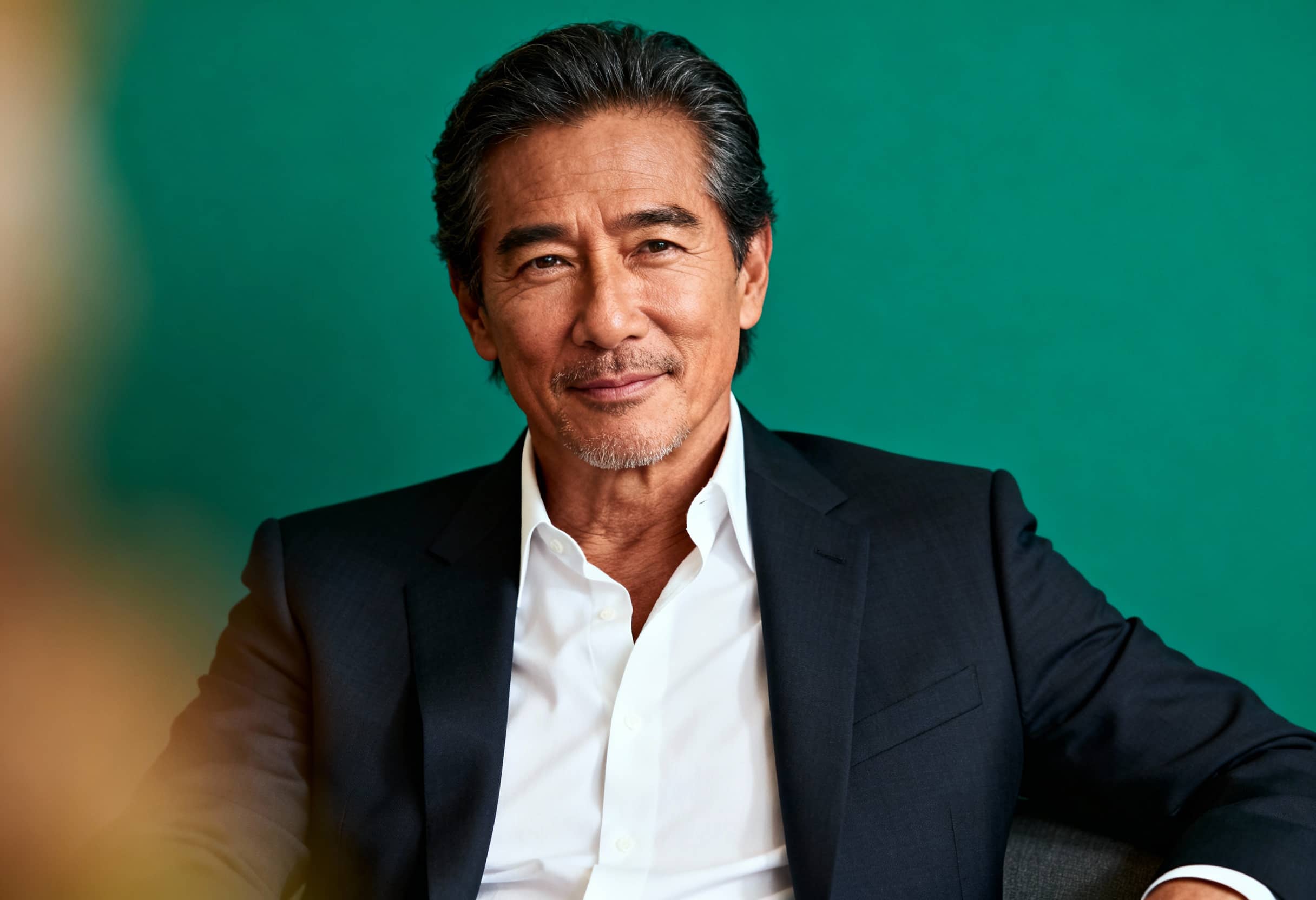
The entertainment world lost a true legend Cary Hiroyuki Tagawa on Thursday, December 4, 2025. Cary-Hiroyuki Tagawa, the Tokyo-born actor whose commanding presence and martial arts mastery defined decades of action cinema, passed away at age 75 from complications of a stroke in Santa Barbara, California. The news sent shockwaves through Hollywood and among fans worldwide who grew up with his unforgettable performances.
Tagawa died peacefully, surrounded by loved ones, according to his manager Margie Weiner. For many in the entertainment industry, the loss feels deeply personal. He wasn’t just an actor who delivered iconic villainous performances—he was a mentor, a friend, and a trailblazer who opened doors for Asian American representation in Hollywood during an era when those opportunities were far too scarce.
“He was a rare individual: generous, thoughtful, and deeply committed to his craft,” Weiner said in a statement. “Our loss is immeasurable.”
Let’s dive into the remarkable life and career of Cary-Hiroyuki Tagawa, an actor whose influence extends far beyond the screen.
Note: All the images in this posts are generated from AI
The Man Behind the Villain: Cary Hiroyuki Tagawa’s Early Life
Cary-Hiroyuki Tagawa was born in 1950 in Tokyo, Japan, into a world vastly different from the one that would eventually celebrate his talent across multiple continents. His journey to becoming one of Hollywood’s most recognizable faces in action cinema wasn’t a straight path. It required determination, dedication to martial arts, and an unshakeable belief in his craft.
Moving to the United States to pursue his dreams, Tagawa studied martial arts extensively, becoming proficient in multiple disciplines. This training would become his secret weapon in Hollywood, allowing him to bring authentic physicality to roles that lesser-trained actors could never achieve. His martial arts expertise wasn’t just for show—it was the foundation of his career, distinguishing him from countless other actors vying for roles in action films.
The early years in Hollywood were challenging. Asian American actors faced significant barriers to meaningful roles, often relegated to stereotypical characters or background parts. But Tagawa was different. He brought an elegance, intensity, and commanding screen presence that couldn’t be ignored. It was only a matter of time before the right role would catapult him to fame.

Shang Tsung: The Role That Changed Everything
In 1995, Tagawa finally got his defining role. When he was cast as Shang Tsung in Paul W.S. Anderson’s “Mortal Kombat,” the video game adaptation that nobody expected to work, something magical happened. Tagawa didn’t just deliver a performance—he created one of the most iconic villains in cinema history.
Shang Tsung, the evil sorcerer and main antagonist, required an actor who could be terrifying yet captivating, menacing yet refined. Tagawa embodied all of these qualities. His portrayal was elevated, sophisticated, and absolutely menacing. When he delivered the now-legendary line, “Your soul is mine,” audiences immediately understood that they were watching someone special. That single phrase became a cultural touchstone, referenced, parodied, and remembered for decades.
What made Tagawa’s performance truly remarkable was his ability to make an impossibly stylized, over-the-top character feel genuine and dangerous. He brought martial arts credibility to the role, moving with a fluidity and power that elevated every action sequence. He wasn’t just acting—he was delivering.
The film became a massive success, grossing over $100 million worldwide. Mortal Kombat brought Tagawa mainstream recognition and cemented him as more than just a supporting player in action films. He was THE actor capable of commanding a film as a lead villain. When the 1997 sequel “Mortal Kombat Annihilation” came out, Tagawa’s brief appearance in archive footage showed fans that Shang Tsung remained the most memorable character despite his limited screen time.
A Legendary Career in Action Cinema
While Shang Tsung remains his most famous role, Tagawa’s filmography is incredibly diverse and filled with memorable characters across multiple decades. His career is a masterclass in how an actor can maintain relevance and credibility across eras by choosing challenging, distinctive roles.
Before his Mortal Kombat breakthrough, Tagawa had appeared in “Big Trouble in Little China” (1986), John Carpenter’s action-comedy classic, and delivered a notable performance in “License to Kill” (1989) as Kwang, an undercover agent in the James Bond franchise. These early roles established him as someone who could handle sophisticated action sequences with grace and intensity.
After Mortal Kombat, the roles kept coming. He appeared in “Snow Falling on Cedars” (1999), bringing dramatic depth to his character. He voiced Heihachi Mishima in “Tekken” (2009), another video game adaptation. He showed his versatility in “Memoirs of a Geisha” (2005), taking on a complex role in a period piece. Each role demonstrated his range as an actor—not just an action star, but a serious performer capable of elevating any project.
Perhaps the role that showed just how much Tagawa had grown as a performer came when he was cast as Trade Minister Nobusuke Tagomi on Amazon Prime’s “The Man in the High Castle” (2015-2018). This wasn’t a villain role. It was a nuanced, complicated character in an alternate history drama. His performance earned him some of the strongest critical notice of his career, appearing as a lead character across three seasons. This proved that Tagawa was never just a villain—he was an actor capable of extraordinary depth.
Beyond the Screen: A Mentor and Pioneer
What made Cary-Hiroyuki Tagawa truly special wasn’t just what he accomplished on screen, but who he was off-screen. His manager Margie Weiner’s statement about him becoming like family speaks volumes. Tagawa had a reputation throughout Hollywood as a generous mentor, always willing to help younger actors and martial artists navigate the industry.
In an era when Asian American representation in film was minimal and roles for Asian actors were deeply stereotypical, Tagawa showed it was possible to play complex, powerful characters that commanded respect. He proved that an Asian American actor could be the lead villain in a blockbuster film, could hold their own in prestigious dramas, and could build a 40-year career based on talent and dedication.
He voiced characters in animations, worked in television, and maintained a prolific career that showed remarkable longevity. His commitment to martial arts excellence meant he could perform many of his own stunts, bringing authenticity that elevated every project he touched. He was a bridge between action cinema’s golden age and modern filmmaking, connecting generations of fans across different media formats.
The Lasting Impact of Cary Hiroyuki Tagawa
When we remember Cary-Hiroyuki Tagawa, we’re not just remembering “Your soul is mine.” We’re remembering a trailblazer who proved that talent, discipline, and authenticity matter more than industry barriers. He showed younger Asian American actors that there was a place for them in major roles. He demonstrated that you could build a legendary career playing villains if you brought depth, intelligence, and physicality to the role.
His death at 75 is a significant loss for Hollywood and for fans who grew up with his performances. More importantly, it’s a loss for the entertainment industry that relied on his expertise, mentorship, and example. Tagawa represented a time when action cinema valued real martial arts knowledge, authentic performances, and characters with genuine menace and personality.
Frequently Asked Questions About Cary Hiroyuki Tagawa
How many films did Cary-Hiroyuki Tagawa appear in?
Tagawa had an incredibly prolific career, appearing in over 150 film and television projects throughout his life. This includes major studio films, independent productions, voice work, and television series. His career spanned from the 1980s until his death in 2025, demonstrating remarkable longevity and consistent work in the entertainment industry.
What was Cary-Hiroyuki Tagawa’s most iconic role?
Without question, his portrayal of Shang Tsung in the 1995 “Mortal Kombat” film remains his most iconic role. The character and his famous line, “Your soul is mine,” became cultural phenomena that endured for decades. The role introduced Tagawa to mainstream audiences and remains the character most associated with his legacy.
Did Cary-Hiroyuki Tagawa do his own stunts?
Yes. His extensive martial arts training meant he could perform many of his own action sequences. This authenticity was a significant part of what made his performances so credible. He brought real martial arts knowledge to his roles, which elevated the physicality of every action scene he appeared in.
What awards did Cary-Hiroyuki Tagawa receive?
While Tagawa was respected throughout the industry and critically acclaimed for several roles, particularly his work on “The Man in the High Castle,” he was never a major award-winner in the traditional sense. However, his cultural impact and industry respect far exceeded any individual award.
Will Cary-Hiroyuki Tagawa’s legacy continue?
Absolutely. His filmography will endure, and new generations will discover his work through streaming platforms and video games. More importantly, his legacy as a pioneer for Asian American representation in major Hollywood roles will continue to inspire future generations of actors. His life demonstrated that excellence and authenticity could break through industry barriers.
Also check out: Frank Caprio Death
Conclusion: A Legacy That Will Endure
Cary-Hiroyuki Tagawa’s passing marks the end of an era in entertainment. He represented a golden age of action cinema when real martial arts skill, authentic performances, and memorable characters were the currency of the realm. In an industry that has become increasingly homogenized, Tagawa stood as a reminder of what made the 1980s and 1990s action films so special—they featured real performers who brought genuine physicality and presence to their roles.
More than anything, Tagawa was a trailblazer. He proved that Asian American actors could be the focal point of major studio films. He showed that you didn’t need to compromise your identity or your art to achieve success in Hollywood. He demonstrated that talent, dedication, and authenticity could transcend industry barriers and stereotypes.
Rest in peace, Cary-Hiroyuki Tagawa. Your soul will forever remain in the hearts of fans worldwide, and your legacy will continue to inspire generations to come. The entertainment industry has lost a true master of his craft, but his filmography will ensure that his remarkable talent lives on forever.
Your final performance may have concluded, but the impact of your career will continue to resonate through cinema history.