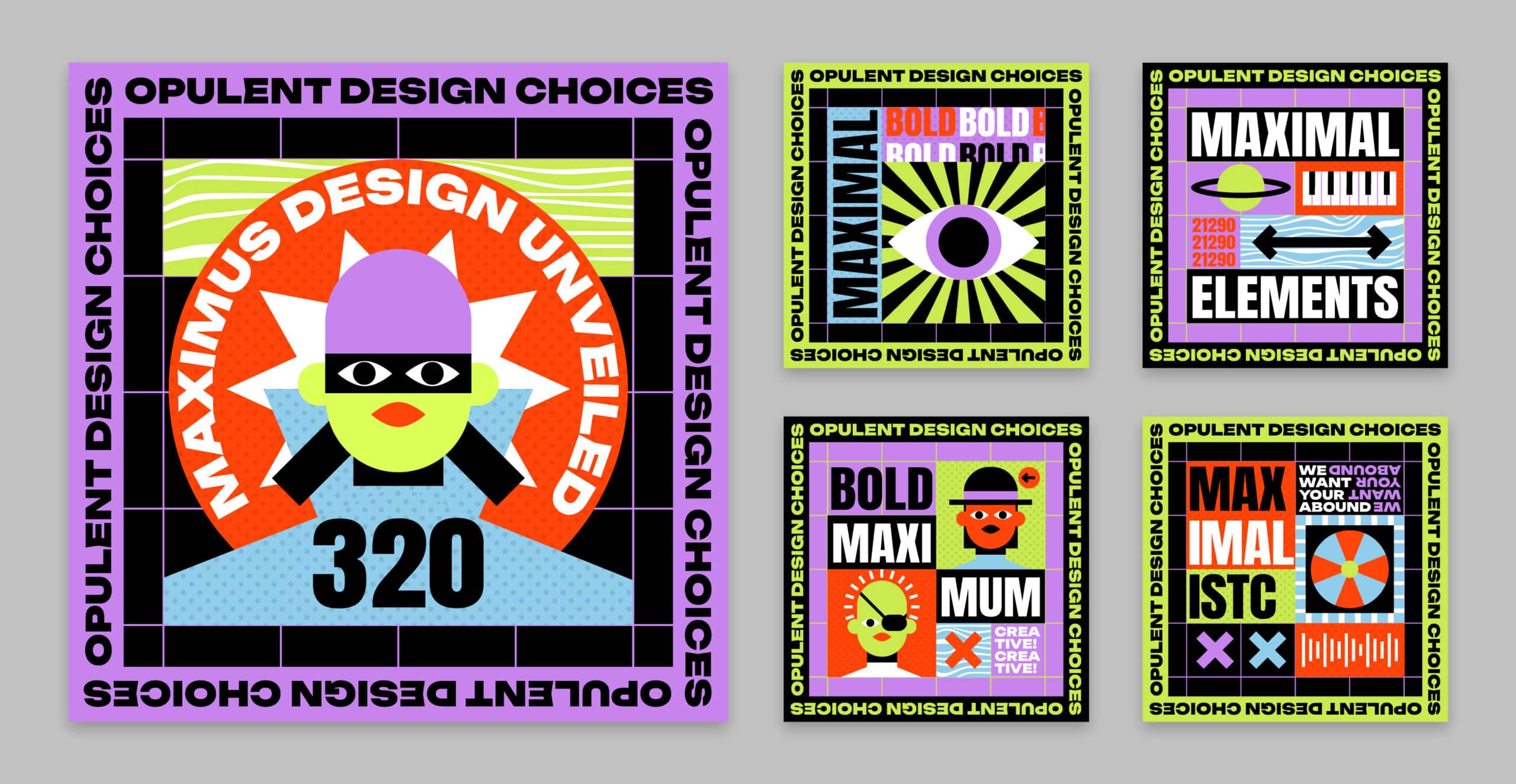
Picture this: you land on a website that makes you stop scrolling immediately. The layout feels raw, almost aggressive. Colors clash deliberately. Typography screams rather than whispers. Elements seem placed with reckless abandon, yet somehow, it all works together to create something unforgettable.
Welcome to the world of brutalism and anti-design – two movements that are turning the pristine, minimalist web on its head and proving that imperfection might just be the secret ingredient your brand needs to stand out in 2025.
What Is Brutalism in Web Design?
Brutalism in web design draws its DNA from the architectural movement of the same name, which emerged in the 1950s and 60s. Think of those massive concrete structures with their raw, unfinished surfaces and bold geometric forms. Now translate that philosophy to your screen.
Web brutalism refers to unpolished and ultra-simplistic aesthetics and UI where function takes priority over form. It’s characterized by:
- Bold, contrasting colors that would make a traditional designer wince
- Typography that breaks every spacing rule in the book
- Raw, unfinished elements that look deliberately incomplete
- Asymmetrical layouts that defy grid systems
- Minimal concern for conventional user experience principles
But here’s what makes brutalism fascinating: it’s not about being ugly for the sake of being ugly. It’s about stripping away the veneer of perfection to reveal something more authentic and human underneath.

The Anti-Design Revolution: Breaking Every Rule
If brutalism is the rebellious teenager, anti-design is the full-blown revolution. Anti-design breaks the rules, embraces imperfection, and prioritises human connection over polished, predictable aesthetics.
In 2025, more designers are leaning into imperfection, saying “This site was made by a human” with raw, unfiltered energy that stands out in a world flooded with AI sameness.
Anti-design throws out the design rulebook entirely:
Traditional Design Says: Use consistent typography hierarchies Anti-Design Says: Mix Comic Sans with elegant serifs if it serves your message
Traditional Design Says: Maintain perfect alignment and spacing Anti-Design Says: Let elements collide and overlap organically
Traditional Design Says: Stick to brand-appropriate color palettes Anti-Design Says: Use whatever colors create the emotional response you want
Why Imperfection Is Having Its Moment
You might wonder why designers are suddenly embracing chaos when we’ve spent decades perfecting the art of clean, minimal interfaces. The answer lies in human psychology and market saturation.
The Perfection Fatigue
We’re drowning in perfection. Every Instagram feed looks identical. Every corporate website follows the same template. Every app interface feels interchangeable. Users are weary of flawless photoshopped images and yearn for something more real, more human.
When everything looks perfect, nothing stands out. Imperfection becomes the ultimate differentiator.
The Authenticity Craving
Modern consumers have developed sophisticated BS detectors. They can spot stock photos, template designs, and corporate speak from miles away. Brutalism and anti-design signal authenticity in a way that polished perfection simply can’t.
Think about it: when you see a website with intentionally rough edges, your brain immediately registers, “A human made this decision.” That human touch creates an instant connection.
The Attention Economy
In a world where users spend an average of 15 seconds on a webpage, shock value works. A brutalist design doesn’t ask for attention – it demands it. It creates what psychologists call the “von Restorff effect,” where distinctive items are more likely to be remembered.
The Psychology Behind Embracing Flaws
There’s fascinating psychology at play when we embrace imperfection in design. It taps into several cognitive biases and emotional responses:
The Pratfall Effect
Psychologist Elliot Aronson discovered that people actually become more likable when they make small mistakes. The same principle applies to design. A perfectly imperfect website can feel more approachable and trustworthy than its flawless competitors.
Cognitive Dissonance and Engagement
When users encounter something that defies their expectations, their brains work harder to process it. This increased cognitive load often translates to better memory retention and deeper engagement.
The Underdog Effect
Brands that embrace imperfection often benefit from the underdog effect. Users root for the “authentic” brand over the “corporate” one, even when the imperfection is entirely intentional.

Real-World Examples: When Imperfection Works
Let’s look at some brands that have successfully implemented brutalist and anti-design principles:
Gumroad: Function Over Form
Gumroad’s interface deliberately looks unfinished. The CEO, Sahil Lavingia, has spoken about choosing function over aesthetics, and their brutalist approach reinforces their “tools for creators” positioning. The rough edges communicate that they’re focused on what works, not what looks pretty.
Balenciaga: Luxury Meets Raw
Balenciaga’s digital presence often features brutal typography and unconventional layouts. For a luxury brand, this approach is particularly bold – it suggests confidence and artistic integrity over safe, pretty design.
brutalistwebsites.com: The Community
This curated collection showcases hundreds of websites that embrace the brutalist aesthetic. From personal portfolios to major brand campaigns, the variety demonstrates that brutalism isn’t just for rebels – it’s for anyone willing to be memorable.
The Evolution: From Brutalism to Neubrutalism
Neubrutalism represents an innovative web design style characterized by simple geometry, limited use of color and imagery, and a focus on creating efficient UX. This evolution takes the raw aesthetic of brutalism but adds back some user experience considerations.
Neubrutalism keeps the bold typography and stark contrasts but introduces:
- Better accessibility features
- More intuitive navigation patterns
- Improved mobile responsiveness
- Strategic use of white space
It’s brutalism with a conscience – rebellious but not reckless.
When to Embrace Imperfection (And When Not To)
Not every brand should throw on a leather jacket and smash their design guidelines. Here’s when brutalism and anti-design work best:
Perfect Candidates:
- Creative agencies and designers who need to showcase bold thinking
- Startups and disruptors challenging established industries
- Artists and personal brands where authenticity trumps convention
- B2B companies in crowded markets needing differentiation
- Campaigns and temporary sites where memorability is crucial
Proceed with Caution:
- Healthcare and financial services where trust requires conventional signals
- E-commerce sites where usability directly impacts revenue
- Large corporations with established brand guidelines
- Accessibility-critical applications serving diverse user groups
While brutalism can be used in visual design, most products should avoid anti-design, according to usability research. The key is understanding your audience and objectives.
Implementing Imperfection: A Strategic Approach
If you’re ready to embrace imperfection, here’s how to do it strategically:
Start Small
Don’t redesign your entire website overnight. Test brutalist elements in:
- Landing pages for specific campaigns
- About us or team pages where personality matters
- Blog headers or newsletter designs
- Social media graphics
Maintain Core Functionality
Imperfection should enhance your message, not obscure it. Keep these elements clean and functional:
- Primary navigation
- Call-to-action buttons
- Form fields and checkout processes
- Contact information
Test and Measure
Brutalist design often increases engagement metrics like time on page and social shares, but it might hurt conversion rates for some audiences. A/B test different approaches to find your sweet spot.

The Technical Side: Making Imperfection Work
Creating effective brutalist and anti-design websites requires technical consideration:
Performance Considerations
Bold designs often mean larger image files and complex layouts. Optimize ruthlessly:
- Compress images without losing the raw aesthetic
- Use system fonts for authentic typography
- Minimize HTTP requests despite visual complexity
Accessibility Challenges
Unconventional designs can create accessibility barriers. Address these proactively:
- Ensure sufficient color contrast despite bold choices
- Maintain logical heading hierarchies even with wild typography
- Provide alternative navigation methods
- Test with screen readers
Mobile Adaptation
Brutalist designs often struggle on mobile devices. Consider:
- Simplifying layouts for smaller screens
- Adjusting typography scales appropriately
- Maintaining touch target sizes
- Testing on various device types
The Business Case for Imperfection
Beyond aesthetics, there are compelling business reasons to consider brutalism and anti-design:
Differentiation in Saturated Markets
When every competitor looks the same, looking different becomes a competitive advantage. A 2024 study by the Design Management Institute found that design-driven companies outperformed the S&P 500 by 228% over ten years, with memorable design being a key factor.
Viral Marketing Potential
Controversial or striking designs get shared more frequently. A brutalist website is more likely to end up on design blogs, social media, and in conversations than a safe, conventional one.
Attracting Creative Talent
Companies with bold visual identities often attract more creative employees and partners. Your design choices signal your company culture and values.
Building Brand Recall
In an era of information overload, memorability is currency. A distinctive design might be worth more than a beautiful one if it helps customers remember and return to your brand.
Common Mistakes to Avoid
Even rebellion has rules. Here are pitfalls to avoid when embracing imperfection:
Confusing Ugly with Authentic
Purposeful imperfection is strategic. Random ugliness is just poor design. Every “flawed” element should serve your brand message or user experience goals.
Ignoring Your Audience Entirely
While breaking conventions can be powerful, completely ignoring user expectations can backfire. Research your audience’s comfort level with unconventional design.
Sacrificing Accessibility for Aesthetics
Imperfection shouldn’t mean inaccessible. Bold design choices can coexist with proper alt text, keyboard navigation, and screen reader compatibility.
Following Trends Instead of Brand Truth
Don’t embrace brutalism because it’s trending. Embrace it because it authentically represents your brand values and resonates with your specific audience.
The Future of Imperfection
Anti-design is reshaping web design with clashing colors, asymmetry, and raw creativity, gaining significant traction in 2025. This isn’t a passing fad – it represents a fundamental shift in how we think about digital communication.
As AI tools make perfect design more accessible than ever, human imperfection becomes increasingly valuable. The future likely holds:
- More sophisticated approaches to intentional imperfection
- Better tools for creating accessible brutalist designs
- Integration of brutalist elements in mainstream design systems
- New frameworks for balancing authenticity with usability
Measuring Success Beyond Conversion Rates
Traditional metrics might not capture the full value of brutalist and anti-design approaches. Consider tracking:
- Brand recall and recognition through surveys
- Social sharing and viral metrics for organic reach
- Time spent on site as an engagement indicator
- Return visitor rates showing memorability
- Qualitative feedback about brand perception
- Earned media mentions in design publications
FAQ Section
Is brutalism just a trend, or is it here to stay?
While specific brutalist aesthetics may evolve, the underlying desire for authenticity and differentiation is permanent. The movement represents a broader cultural shift away from corporate perfection toward human authenticity. Even as visual trends change, this philosophical approach to design will likely persist in various forms.
Can small businesses use brutalist design effectively?
Absolutely. In fact, small businesses often have more freedom to experiment with bold design choices than large corporations. A local coffee shop, creative agency, or personal service provider can use brutalist elements to create memorable brand experiences that help them compete with larger, more generic competitors.
How do I convince clients or stakeholders to embrace imperfection?
Focus on business outcomes rather than aesthetic preferences. Present case studies showing how distinctive design drives engagement, memorability, and differentiation. Start with low-risk implementations like campaign pages or social media graphics to demonstrate results before proposing larger changes.
Does brutalism work for mobile users?
Mobile brutalism requires careful consideration. While the aesthetic can work on smaller screens, you’ll need to adapt layouts, typography scales, and interaction patterns for mobile contexts. The key is maintaining the raw energy while ensuring usability on touch devices.
How do I balance brutalism with SEO requirements?
Good news: search engines care about user engagement and site performance, not aesthetic beauty. Brutalist sites that load quickly, provide valuable content, and engage users can perform well in search results. Focus on technical SEO fundamentals while letting your design personality shine through.
What tools are best for creating brutalist designs?
You don’t need special tools – brutalism is more about approach than technology. However, tools that offer precise control over typography, spacing, and layout work well. Consider Figma for design, code editors for custom implementations, or even simple tools like Canva for basic brutalist graphics. The key is having enough control to break conventional templates and patterns.
Conclusion: The Beautiful Chaos of Imperfection
Brutalism and anti-design represent more than aesthetic choices – they’re philosophical statements about authenticity, humanity, and courage in digital communication. In a world increasingly dominated by AI-generated perfection and template-based uniformity, embracing imperfection becomes an act of rebellion that resonates with users hungry for genuine human connection.
The most successful implementations of these approaches share a common thread: they’re not randomly chaotic but strategically imperfect. They use unconventional design elements to serve specific brand goals, audience needs, and business objectives.
As we move forward into 2025 and beyond, the brands that thrive will be those brave enough to show their human side – complete with rough edges, bold choices, and the beautiful imperfections that make us memorable. The question isn’t whether you should embrace imperfection in your web aesthetics, but how you can do so in a way that authentically represents your brand while serving your users.
Remember: in a sea of identical perfection, being perfectly imperfect might just be the most perfect strategy of all.