
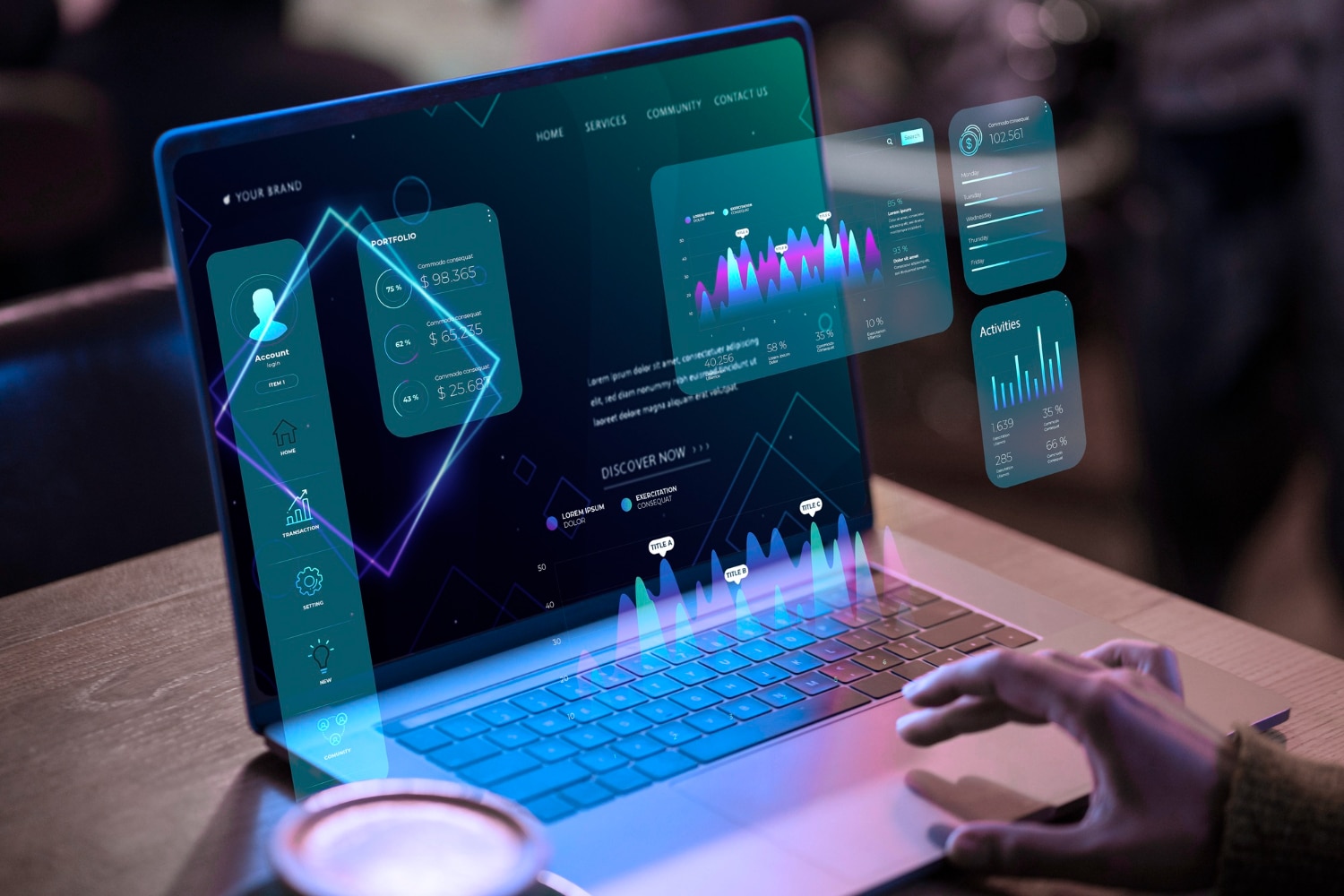
Remember the last time you walked into your favorite coffee shop? The barista knew your order before you even approached the counter. That warm feeling of being recognized and understood is exactly what AI-driven personalization brings to website design—except instead of remembering your coffee preference, it remembers how you browse, what you click, and what makes you stay engaged.
Website personalization has evolved far beyond simply displaying a user’s name in the header. Today’s AI-powered personalization creates dynamic, intelligent experiences that adapt in real-time to each visitor’s behavior, preferences, and needs. 71% of customers expect personalized experiences, with 76% expressing frustration when they don’t receive them, making this no longer a nice-to-have feature but an essential component of modern web design.
What Is AI-Driven Website Personalization?
AI-driven website personalization uses machine learning algorithms and artificial intelligence to automatically customize a website’s content, layout, and functionality for individual users. Think of it as having a personal shopping assistant for every visitor to your site—one that learns from their behavior patterns, demographic information, and interaction history to create a tailored experience.
Unlike traditional personalization that relies on basic segmentation (showing different content to “male vs. female” or “new vs. returning” visitors), AI-powered systems analyze hundreds of data points simultaneously. They consider factors like browsing speed, mouse movement patterns, device preferences, time spent on specific sections, and even the path users take through your site.
The beauty of AI personalization lies in its ability to learn and adapt continuously. Each interaction feeds back into the system, making it smarter and more accurate over time. It’s like having a website that becomes a better host with every guest it serves.
The Current State of AI Personalization in Web Design
The personalization landscape has reached a tipping point. 92% of businesses are using AI-driven personalization to drive growth and revenue, and the results speak for themselves. Companies implementing AI personalization are seeing significant improvements in user engagement, conversion rates, and customer satisfaction.
By 2025, 95% of customer interactions are expected to be driven by AI, making personalization even more automated and data-focused. This shift represents a fundamental change in how we think about web design—from creating one-size-fits-all experiences to crafting millions of unique variations.
The technology has matured to the point where implementation doesn’t require a team of data scientists. Modern AI personalization platforms offer intuitive interfaces that allow designers and marketers to set up sophisticated personalization campaigns without writing a single line of code. Over 40% of marketing agencies use AI to design advertising creatives, driven by demand for personalized campaigns, demonstrating how accessible these tools have become.

Key Benefits of AI-Driven Personalization
Enhanced User Engagement
When websites speak directly to users’ interests and needs, engagement naturally follows. AI personalization creates what psychologists call “flow state”—that feeling when users become completely absorbed in an experience because it feels perfectly tailored to them.
Consider how Netflix keeps you scrolling through recommendations that feel eerily perfect for your mood. The same principles apply to website design. When AI systems analyze user behavior and serve relevant content, products, or information at the right moment, users spend more time exploring and less time bouncing away.
Improved Conversion Rates
82% of organizations use AI personalization to improve the customer experience and are rewarded with five to eight times the return on marketing spend. These impressive returns come from AI’s ability to identify and respond to purchase intent signals that humans might miss.
For example, an AI system might notice that users who spend more than two minutes reading product reviews are 60% more likely to make a purchase. It can then automatically highlight reviews or offer targeted incentives to similar users at just the right moment in their journey.
Reduced Bounce Rates
Nothing kills user experience faster than irrelevant content. AI personalization tackles this by ensuring that the first thing visitors see resonates with their interests or needs. When users immediately find value, they’re more likely to explore further rather than hitting the back button.
A travel website might use AI to detect that a visitor is browsing from a cold climate in winter and automatically feature warm destination deals on the homepage. This instant relevance creates an immediate connection that encourages deeper engagement.
Better Customer Insights
AI personalization systems are data goldmines. They reveal patterns about user behavior that would be impossible to detect manually. These insights don’t just improve the website experience—they inform broader business strategy, product development, and marketing initiatives.
You might discover that users who engage with video content are three times more likely to become premium subscribers, or that customers from certain geographic regions prefer different types of product imagery. This intelligence helps create better experiences across all touchpoints.
How AI Personalization Works Behind the Scenes
Data Collection and Analysis
AI personalization starts with data—lots of it. Modern systems collect information from multiple sources:
Behavioral data tracks how users interact with your site: which pages they visit, how long they stay, where they click, how fast they scroll, and when they pause to read. This behavioral fingerprint reveals preferences and intent more accurately than any survey could.
Demographic and psychographic data provides context about who your users are: their age, location, device preferences, and inferred interests based on their digital footprint.
Contextual data considers the circumstances of each visit: the time of day, weather conditions, current events, or how they arrived at your site. A user searching for “emergency plumber” at 2 AM has very different needs than someone casually browsing home improvement tips on a Saturday afternoon.
Machine Learning Algorithms
Once data is collected, machine learning algorithms analyze patterns and make predictions. These systems use several approaches:
Collaborative filtering finds users with similar behaviors and recommends content that worked for others in the same cluster. It’s the “people like you also enjoyed” approach that powers many recommendation engines.
Content-based filtering analyzes the characteristics of content that individual users engage with and serves more of the same. If someone consistently clicks on articles about sustainable design, the system learns to prioritize environmental content for them.
Deep learning models can identify complex patterns that traditional algorithms miss. They might discover that users who browse on mobile devices during lunch hours respond differently to calls-to-action than those browsing on desktop in the evening.
Real-Time Decision Making
The magic happens in milliseconds. When a user visits your site, AI systems instantly analyze their profile, current context, and historical behavior to decide what to show them. This might involve:
- Selecting which hero image to display
- Choosing which products to feature
- Determining the optimal layout for their device and browsing style
- Customizing the navigation menu based on their likely interests
- Adjusting the tone and messaging of copy elements
This entire process happens faster than you can blink, creating seamless experiences that feel natural and intuitive.

Practical Applications in Website Design
Dynamic Content Personalization
Dynamic content personalization goes beyond swapping out a few words or images. Modern AI systems can completely restructure page layouts, reorganize navigation menus, and even adjust color schemes based on user preferences and behavior patterns.
Imagine an e-commerce site that automatically reorganizes its homepage for each visitor. A user who previously bought outdoor gear might see hiking boots featured prominently, while someone who browsed electronics gets the latest tech gadgets front and center. The layout itself might change—adventure seekers might see larger, more immersive product images, while tech buyers get detailed specification tables.
Think websites that adjust to fit a visitor’s style or ads that speak directly to the viewer’s interests. In 2025, the tools that make this happen are getting even easier to use. You’ll be able to design something once and let it adapt to different audiences seamlessly.
Personalized Navigation and User Flow
AI can optimize the path users take through your website by predicting their goals and removing friction from their journey. This might involve:
Adaptive menus that highlight the most relevant sections for each user. A returning customer might see “My Account” and “Reorder” prominently displayed, while a new visitor sees “Getting Started” and “Product Tours.”
Smart search functionality that predicts what users are looking for before they finish typing, based on their history and similar user patterns. It’s like having a mind-reading search box that gets smarter with every query.
Contextual calls-to-action that change based on where the user is in their journey. Someone who’s been researching for weeks might see “Ready to get started?” while a new visitor sees “Learn more.”
Intelligent Product Recommendations
Product recommendations have evolved from simple “customers also bought” lists to sophisticated prediction engines. AI systems now consider factors like:
- Purchase timing patterns (when users typically buy certain products)
- Seasonal preferences and life events
- Price sensitivity and brand preferences
- Cross-category relationships that humans might miss
Personalized product recommendations through A/B testing. By redesigning the cross-sell section with images, they achieved a 16% revenue increase and a 24% boost in purchases, significantly improving product engagement.
Adaptive User Interface Elements
The interface itself becomes a living, breathing entity that adapts to user needs. This includes:
Dynamic layouts that adjust based on device usage patterns, screen size preferences, and interaction styles. Some users prefer compact, information-dense layouts while others respond better to spacious, visually-focused designs.
Personalized imagery that resonates with individual users’ demographics, interests, or aspirations. An AI system might show urban lifestyle images to city dwellers and outdoor scenes to suburban users.
Customized forms and checkout processes that streamline based on user history and preferences. Returning customers might see simplified one-click options, while new users get more guidance and explanation.
Implementation Strategies and Best Practices
Start Small and Scale Gradually
The most successful AI personalization implementations begin with focused, measurable changes rather than site-wide overhauls. Personalize just one or two key elements—such as your hero section, product recommendations, or CTA buttons. Making too many changes at once can skew analytics and create an inconsistent experience for users.
Consider starting with your homepage hero section. This high-impact area provides immediate personalization value while being relatively simple to implement. You might test showing different value propositions to different user segments or personalizing the featured content based on referral sources.
Once you’ve proven success in one area, gradually expand to other sections. This measured approach allows you to understand what works, learn from what doesn’t, and build organizational confidence in AI-driven personalization.
Focus on User Value, Not Just Metrics
While conversion rates and engagement metrics are important, the most successful personalization efforts focus primarily on creating genuine value for users. Ask yourself: “Does this personalization make the user’s experience better, easier, or more relevant?”
Avoid the temptation to personalize for personalization’s sake. Every customization should solve a real user problem or fulfill a specific need. Users can sense when personalization feels manipulative versus helpful, and they respond accordingly.
Ensure Privacy and Transparency
Trust is the foundation of effective personalization. Using an AI to personalize user experience typically requires clear communication in which users are informed how their data is being used. Clear expectations around data use and management can also ensure that AI models are trained on diverse data to prevent biases and discrimination.
Implement privacy-by-design principles:
- Be transparent about what data you collect and how you use it
- Provide easy opt-out mechanisms
- Use data minimization—only collect what you actually need
- Implement robust security measures to protect user information
- Give users control over their personalization preferences
Test and Optimize Continuously
AI personalization is not a set-and-forget solution. Track key performance metrics such as click-through rate, dwell time, or cart additions to evaluate the effectiveness of your personalization efforts. If AI-driven changes lead to a noticeable lift in engagement, you’ll have concrete evidence to support scaling personalization across more areas of your site.
Create a testing framework that includes:
- A/B tests comparing personalized versus non-personalized experiences
- Multivariate tests that optimize multiple elements simultaneously
- Long-term cohort analysis to understand the sustained impact of personalization
- Qualitative feedback collection to understand user perceptions

Common Challenges and Solutions
Data Quality and Integration Issues
Poor data quality is the Achilles heel of AI personalization. If your systems are making decisions based on incomplete, outdated, or inaccurate data, the personalization will feel off-target at best and intrusive at worst.
Solution: Implement robust data governance practices. This includes regular data audits, standardized collection processes, and integration systems that ensure data consistency across platforms. Only 6% of companies are truly capable of consolidating data into a single view of the customer for personalized experiences across channels, highlighting the importance of addressing this challenge early.
Balancing Personalization with Privacy
Users want personalized experiences but are increasingly concerned about privacy. This creates a delicate balance that requires careful navigation.
Solution: Embrace privacy-preserving personalization techniques like:
- Zero-party data collection where users voluntarily share preferences
- Contextual personalization based on current session behavior rather than long-term tracking
- Federated learning approaches that create personalized experiences without centralizing personal data
- Transparent preference centers that give users control over their experience
Over-Personalization and Filter Bubbles
Too much personalization can create echo chambers where users only see content that reinforces their existing preferences, potentially limiting discovery and growth.
Solution: Build in serendipity and exploration. Include elements of surprise and discovery in your personalization algorithms. Spotify does this well with their “Discovery Weekly” playlists that balance familiar preferences with new, related content that expands users’ horizons.
Technical Complexity and Resource Requirements
AI personalization can seem technically daunting, especially for smaller organizations without dedicated data science teams.
Solution: Leverage no-code and low-code personalization platforms that abstract away technical complexity. Many modern solutions offer drag-and-drop interfaces and pre-built templates that make sophisticated personalization accessible to marketers and designers without programming backgrounds.
Future Trends and Predictions
Voice and Conversational Personalization
As voice interfaces become more prevalent, AI personalization will extend to conversational experiences. Chatbots and voice assistants will adapt their communication style, vocabulary, and recommendations based on individual user preferences and past interactions.
Emotional AI and Sentiment-Based Personalization
Future systems will incorporate emotional intelligence, analyzing facial expressions, voice tone, or typing patterns to understand user emotional states and adapt accordingly. A stressed user might see simplified, calming interfaces while an excited user gets more dynamic, energetic experiences.
Cross-Device and Cross-Platform Personalization
Personalization will become truly omnichannel, creating consistent experiences across devices, platforms, and even offline touchpoints. Your preferences on the website will inform the mobile app experience, which influences in-store interactions.
Predictive Personalization
Rather than just reacting to user behavior, AI will increasingly predict future needs and proactively adapt experiences. Systems might prepare personalized content for users before they even visit the site, based on external factors like weather, current events, or personal calendar data.

Measuring Success: Key Performance Indicators
Engagement Metrics
Track metrics that indicate deeper user engagement:
- Time on site and pages per session for personalized versus non-personalized users
- Scroll depth and content interaction rates
- Return visit frequency and session duration
- Social sharing and content bookmarking rates
Conversion Metrics
Measure the business impact of personalization:
- Conversion rate improvements across different user segments
- Average order value changes for personalized experiences
- Cart abandonment rates and checkout completion rates
- Customer lifetime value for users exposed to personalization
User Experience Metrics
Don’t forget to measure user satisfaction:
- Net Promoter Score (NPS) for personalized versus standard experiences
- Customer satisfaction surveys and feedback scores
- Support ticket volume and complaint rates
- User-reported relevance ratings for personalized content
Only 11% of marketers report a negative return on investment when using personalization in their campaigns, according to Twilio Segment’s The State of personalization, demonstrating the overwhelmingly positive impact when implemented correctly.
Frequently Asked Questions
What’s the difference between personalization and customization?
Personalization is automated and based on AI analysis of user behavior and data—the system makes decisions about what to show each user. Customization is user-controlled, allowing visitors to manually adjust settings, layouts, or preferences. The most effective websites combine both approaches, using AI to make smart default decisions while giving users control to override when desired.
How much data do I need to start AI personalization?
You can begin with basic personalization using minimal data—even distinguishing between new and returning visitors can create value. However, meaningful AI-driven personalization typically requires at least a few thousand monthly visitors and several weeks of behavioral data to identify patterns. The key is starting simple and building complexity as your data set grows.
Will AI personalization work for B2B websites?
Absolutely. B2B personalization often shows even stronger results than B2C because business buyers have more specific, defined needs. 56% of B2B revenue expected to come from digital channels by 2025, making personalized digital experiences crucial for B2B success. Focus on personalizing content based on company size, industry, role, and stage in the buying process.
How do I avoid making my website feel creepy or intrusive?
The key is relevance and value. Users appreciate personalization when it helps them accomplish their goals faster or discover things they genuinely want. Be transparent about how you use data, provide easy opt-out options, and focus on improving the user experience rather than just driving sales. If personalization feels helpful rather than pushy, users will embrace it.
Can small businesses benefit from AI personalization?
Yes, though the approach may differ from enterprise implementations. Small businesses can leverage cost-effective personalization platforms and focus on high-impact, simple personalizations like location-based content, referral source customization, or basic behavioral triggers. Even basic personalization can provide significant competitive advantages for smaller companies.
How long does it take to see results from AI personalization?
Simple personalization changes can show immediate results, but sophisticated AI-driven systems typically need 2-4 weeks to collect enough data for meaningful optimization. Full maturity usually takes 3-6 months as the algorithms learn user patterns and refine their predictions. The key is to start measuring impact from day one and be patient with the learning process.
Conclusion
AI-driven personalization represents one of the most significant opportunities in modern web design to create truly user-centric experiences. When implemented thoughtfully, it transforms websites from static brochures into intelligent, adaptive platforms that grow smarter with every interaction.
The statistics make it clear that personalization is no longer optional—it’s an expectation. 71% of customers expect personalized experiences, with 76% expressing frustration when they don’t receive them. The businesses that embrace AI personalization now will have significant advantages over those that wait.
Success with AI personalization comes from starting with user needs, implementing gradually, measuring continuously, and maintaining transparency about data use. It’s not about creating the most sophisticated algorithms—it’s about using technology to create more human, relevant, and valuable experiences.
As we look toward the future, AI personalization will become even more seamless and intelligent. The websites that thrive will be those that view personalization not as a technology implementation but as a fundamental shift toward truly customer-centric design.
The question isn’t whether to implement AI-driven personalization—it’s how quickly you can start creating more relevant, engaging experiences for your users. The coffee shop barista knew your order because they cared about your experience. Your website should do the same.
Ready to transform your website with AI-driven personalization? Start small, focus on user value, and let the data guide your optimization efforts. Your users—and your business metrics—will thank you for it.